

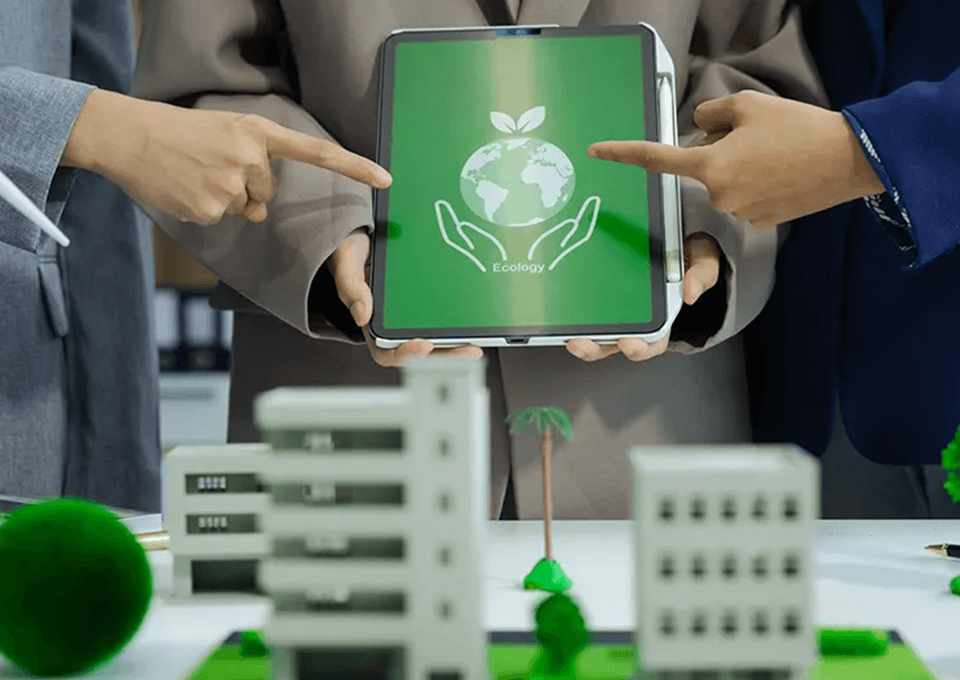
A shiny certification plaque in a building lobby is a significant achievement. It tells visitors and tenants that the developers invested in sustainable design, energy-efficient materials, and environmentally conscious construction methods. However, a certificate is only a snapshot of a building’s potential. It represents the design intent on the day the doors opened. True sustainability is not a static achievement. It is a continuous, dynamic process of operational management and optimisation.
Many property owners fall into the trap of believing that once they achieve a green rating, their environmental responsibilities are complete. The reality is far more complex. Buildings are living, breathing systems. They degrade over time, their usage patterns change, and the people occupying them rarely behave exactly as the energy models predicted. If you want to understand the real environmental impact of a property, you have to look past the paperwork.
This guide explores how to evaluate the actual, day-to-day performance of green real estate. We will examine the critical metrics that define true Sustainable Construction Mauritius. By looking at the operational philosophies of the Apavou Group, we will show you how to bridge the gap between theoretical sustainability and measurable, long-term environmental responsibility.
The Limits of the Plaque on the Wall
Green building certifications serve a vital purpose. They standardise best practices and provide a recognisable benchmark for the real estate industry. Yet, relying on them as the sole indicator of a building’s environmental health carries significant risks.
Design Intent vs. Operational Reality
Architects use sophisticated software to model how much energy and water a building will use. These models assume that all mechanical systems will run perfectly. They assume that maintenance will happen exactly on schedule. They also assume that tenants will follow all the recommended guidelines for energy conservation.
This perfect scenario rarely materialises. A single faulty sensor in an HVAC system can cause it to run continuously, burning through electricity and destroying the building’s energy efficiency rating. If the facility management team lacks the training to calibrate these complex systems, a certified green building can quickly become an energy hog. You must measure what the building actually consumes, not what the blueprints said it would consume.
The Human Factor in Building Performance
Buildings do not use energy; people do. The behaviour of the occupants is the biggest variable in green building performance. You can install the most efficient LED lighting system on the market, but if tenants leave them on all night, the efficiency is lost.
Similarly, low-flow plumbing fixtures only save water if they are used correctly and maintained properly. Evaluating performance means understanding how people interact with the space. It requires continuous tenant education and engagement to ensure that the human element aligns with the building’s sustainable design.
Key Metrics for True Sustainable Construction
To evaluate a building accurately, you need hard data. You must track specific operational metrics that provide a clear picture of how efficiently the asset is using resources over time.
Tracking Energy Use Intensity
Energy Use Intensity is the standard metric for evaluating a building’s energy performance. It calculates the total energy consumed by the building in one year, divided by its total gross floor area. This provides a normalised number that allows you to compare the efficiency of different buildings, regardless of their size.
Tracking this metric month over month reveals the true operational health of the property. If the intensity starts creeping up, it serves as an early warning system. It tells the management team that a piece of equipment is failing or that operational schedules need adjustment. Consistent monitoring of this metric is the bedrock of Sustainable Construction Mauritius.
Water Efficiency and Lifecycle Costs
Water scarcity is a critical issue for island nations. Evaluating a green building requires a rigorous audit of its water consumption patterns. This goes beyond looking at the monthly utility bill. You must analyse the lifecycle costs of the water systems.
Are the rainwater harvesting systems functioning as designed? Is the greywater recycling infrastructure actually offsetting potable water use? You must also factor in the maintenance costs of these systems. True sustainability means the water conservation strategies make both environmental and economic sense over the entire lifespan of the asset.
Real-World Applications in Mauritius
Theory is important, but practical application is what drives change. Looking at how major developers manage their premier assets provides valuable lessons in continuous performance evaluation.
The Cube: A Case Study in Operational Excellence
Commercial office spaces present unique sustainability challenges. They require massive amounts of energy to maintain comfortable temperatures and power the technological infrastructure required by modern businesses. The Cube demonstrates how to manage these demands effectively.
The Apavou Group did not stop at simply building an efficient structure. They implemented rigorous management protocols to ensure The Cube performs at its peak year after year. This involves daily monitoring of the building management systems to catch anomalies before they escalate. By prioritising continuous commissioning, the management team ensures that the building’s operational reality matches its sustainable design intent.
Plaisance Mall: Managing High-Traffic Sustainability
Retail centres face entirely different operational pressures. Plaisance Mall welcomes thousands of visitors daily. The constant opening and closing of doors, the heavy use of public facilities, and the diverse energy needs of various retail tenants create a complex puzzle.
Evaluating performance here requires a collaborative approach. Apavou Mauritius works closely with the mall’s tenants to track individual energy and water usage. By providing tenants with data on their consumption patterns, the management team empowers them to make smarter operational choices. This shared responsibility model is essential for maintaining sustainability in high-traffic, multi-tenant environments.
The Role of Building Management Systems
You cannot manage what you do not measure. In the realm of green building performance, data is your most valuable asset. Advanced technology is the key to unlocking this data.
Continuous Commissioning
Traditional building commissioning happens once, right before the building opens. Experts test the systems to ensure they work. Continuous commissioning is an ongoing process. It uses the building’s digital infrastructure to constantly analyse performance data.
Software algorithms monitor the HVAC, lighting, and plumbing systems in real-time. If a chiller is drawing more power than it should, the system flags it immediately. This allows the maintenance team to fix the issue proactively, rather than waiting for a massive energy bill at the end of the month.
Predictive Maintenance for Resource Conservation
Running equipment until it breaks is incredibly wasteful. It leads to catastrophic failures, expensive emergency repairs, and massive energy inefficiencies. Predictive maintenance uses data to forecast when a component is likely to fail.
By replacing a worn-out fan belt or a degraded seal before it breaks, you maintain the system’s overall efficiency. This proactive approach extends the lifespan of the equipment, reduces the need for replacement parts, and minimises the building’s overall carbon footprint. It is a critical component of evaluating and maintaining long-term performance.
Measuring the Social and Environmental Impact
Green building performance is not just about utility bills. It is also about the impact the building has on the people inside it and the ecosystem surrounding it.
Indoor Environmental Quality
A truly sustainable building must provide a healthy environment for its occupants. Evaluating performance requires testing the Indoor Environmental Quality. This includes monitoring air quality for volatile organic compounds, carbon dioxide levels, and particulate matter.
It also involves assessing thermal comfort and acoustic performance. If a building is incredibly energy-efficient, but the air is stale, and the acoustics are terrible, it is failing its primary purpose. People will not thrive in that environment. Regular testing ensures that energy savings do not come at the expense of human health and comfort.
Terre d’été: Sustainable Living at Scale
Residential developments must evaluate performance on a community scale. Terre d’été represents a holistic approach to sustainable living. Evaluating this project involves looking at how the community infrastructure supports lower-impact lifestyles.
Are the green spaces effectively managing stormwater runoff? Are the community waste reduction programs actually diverting materials from the landfill? By tracking these macro-level metrics, developers can see if the master plan is succeeding in creating a genuinely sustainable neighbourhood. It shifts the focus from the performance of a single house to the resilience of the entire community.
The Apavou Group Approach to Long-Term Value
Evaluating performance is ultimately about protecting and enhancing the value of the asset. A building that degrades operationally will rapidly lose its market appeal.
Moving from Compliance to Commitment
Many developers build to the exact specifications required to get a certificate, and then they stop. They view sustainability as a compliance exercise. The Apavou Group views sustainability as a core operational commitment.
This mindset shift changes everything. It means investing in the training of facility managers. It means continuously upgrading systems as new, more efficient technologies become available. It is an acknowledgement that the work of sustainable development begins, rather than ends, when the construction phase is completed.
Apavou Mauritius and the Future of Island Real Estate
Operating in an island economy requires a deep respect for resource constraints. Apavou Mauritius understands that long-term business success is inextricably linked to environmental stewardship.
By rigorously evaluating the actual performance of their portfolio, they mitigate the risks associated with volatile energy prices and water scarcity. They ensure that their buildings remain attractive to high-quality tenants who demand proven environmental responsibility. This focus on operational excellence creates a competitive advantage that a simple certificate cannot replicate.
Conclusion: Your Next Steps in Green Evaluation
Evaluating green building performance is a continuous, data-driven journey. It demands that we look past the initial design phase and embrace the complexities of daily operations. You must track energy intensity, monitor water efficiency, and engage with the people who actually use the space.
Whether you are analysing a corporate headquarters like The Cube, a busy retail hub like Plaisance Mall, or a residential community like Terre d’été, the principles remain the same. Demand hard data. Invest in continuous commissioning. Prioritise predictive maintenance. By moving beyond certifications and focusing on measurable, long-term operational excellence, we can ensure that our built environment truly supports a sustainable future. Use these metrics and strategies to evaluate your own assets, and commit to the ongoing work of genuine environmental responsibility.
 Previous Post
 Next Post